June 2022 – Stonehenge and migration patterns – interconnected threads
O, fellow, come, the song we had last night.
Mark it, Cesario, it is old and plain;
The spinsters and the knitters in the sun
And the free maids that weave their thread with bones
Do use to chant it: it is silly sooth.
From Twelfth Night by William Shakespeare 1602
Visiting the British Museum Stonehenge exhibition back in February has stimulated a sudden interest in all things neolithic and this month I’ve been on two weekend courses to learn more. At Dillington Hall in Somerset our tutor was Dr Nick Snashall who is the National Trust's archaeologist at Stonehenge. She says she is in her dream job and the enthusiasm show. We had a full day tour of Stonehenge and environs with her, which was fascinating. I was very interested in the latest work on diets. There are new techniques that can analyse lipid residues on bits of pottery (even after over-enthusiastic cleaning by previous archaeologists!) and so they know that dairy foods were used surprisingly early (in view of the supposed lactose intolerance that adults would probably have had at that time). People went from being big fish eaters in the mesolithic period to fish avoiders in the neolithic, even in places in Scotland where they had fresh water fish in the loch on one side and sea fish on the other. It is difficult to imagine why that happened as fish seems such an obvious resource. Did a taboo arise in response to some kind of epidemic??

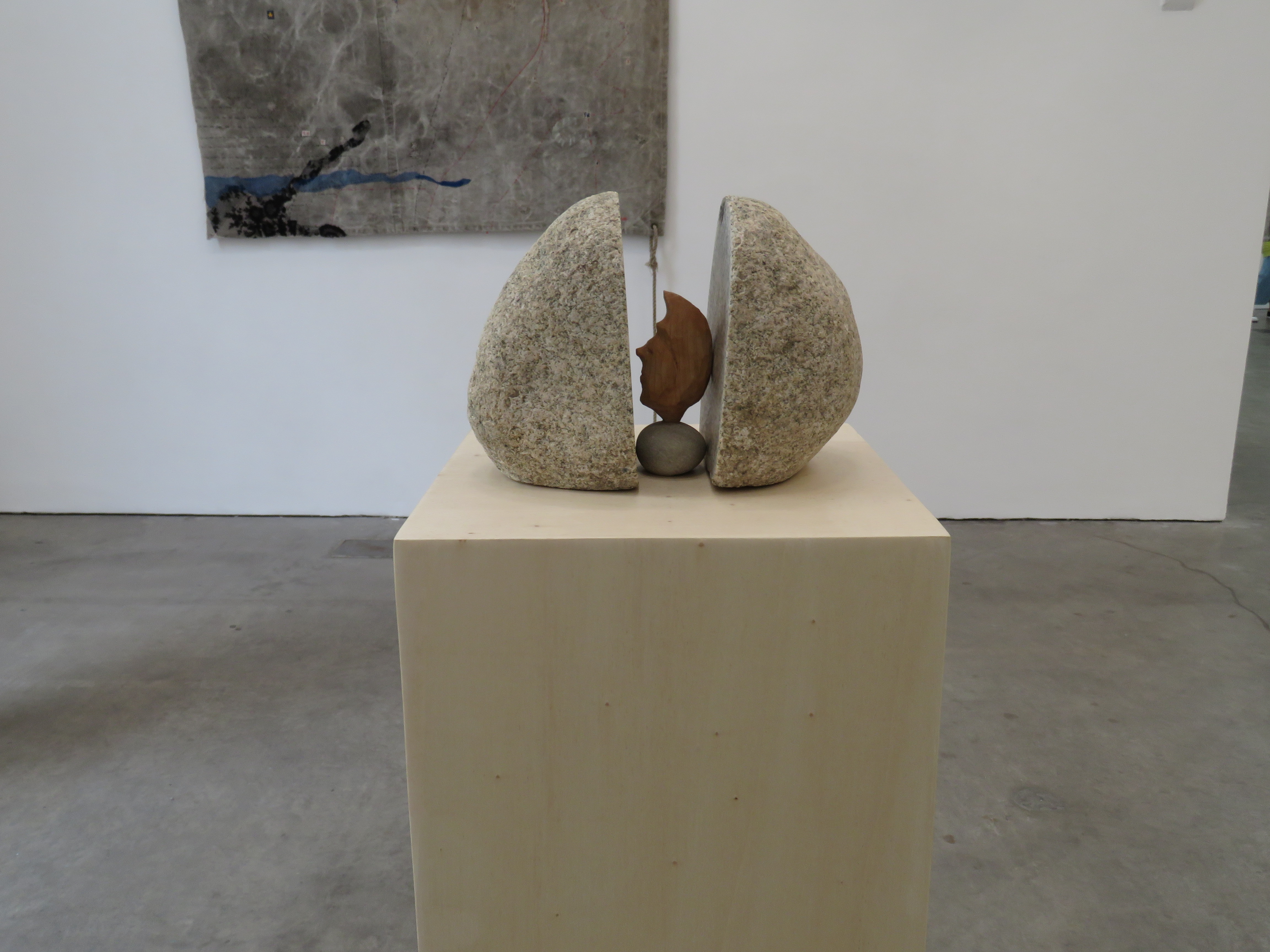
Driving back from Somerset I stopped at Asthall Manor near Burford in Oxfordshire to see some modern stone work. Their On Form exhibition was a fabulous demonstration of the imagination and ingenuity of modern artists in stone.


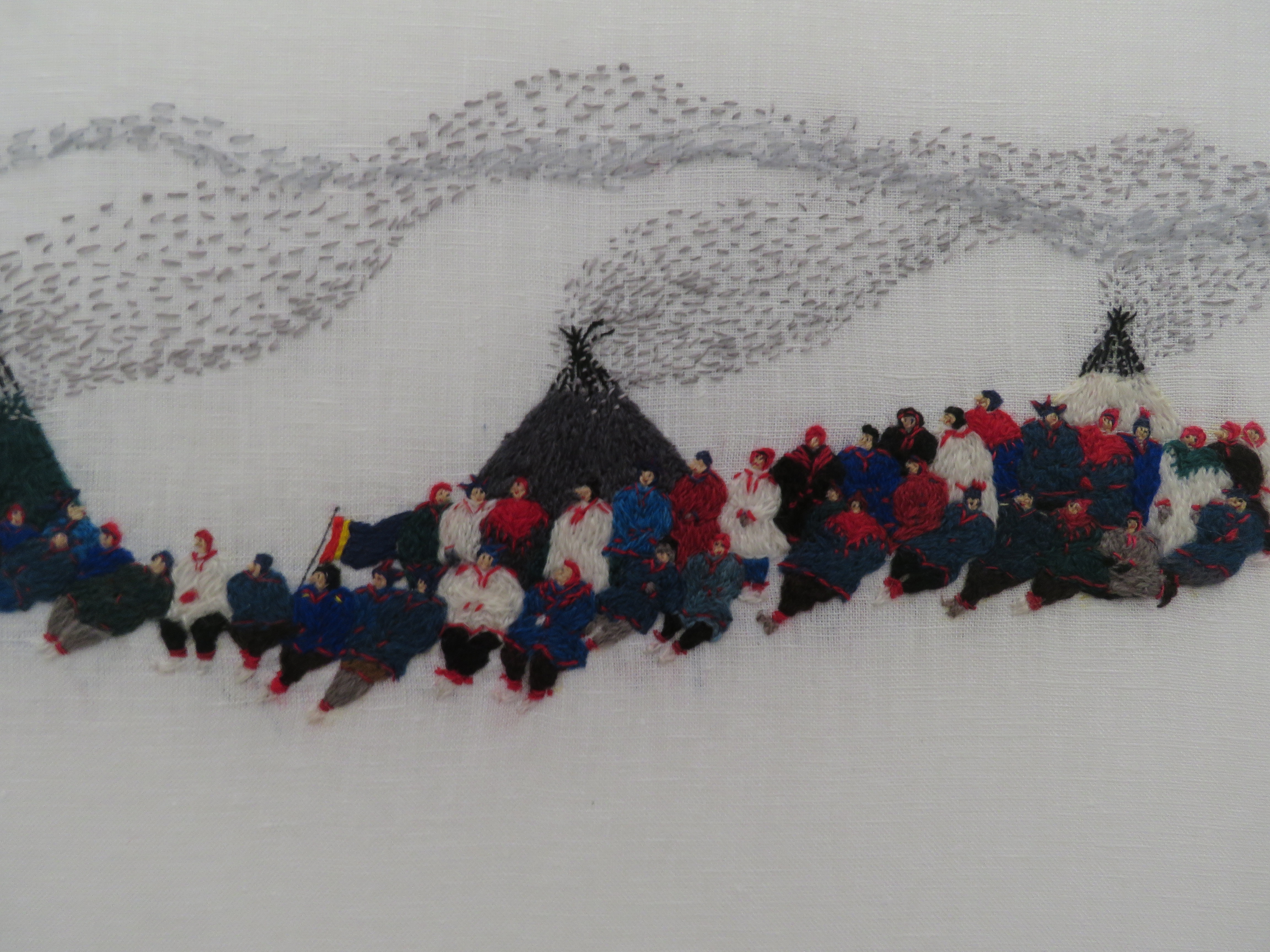
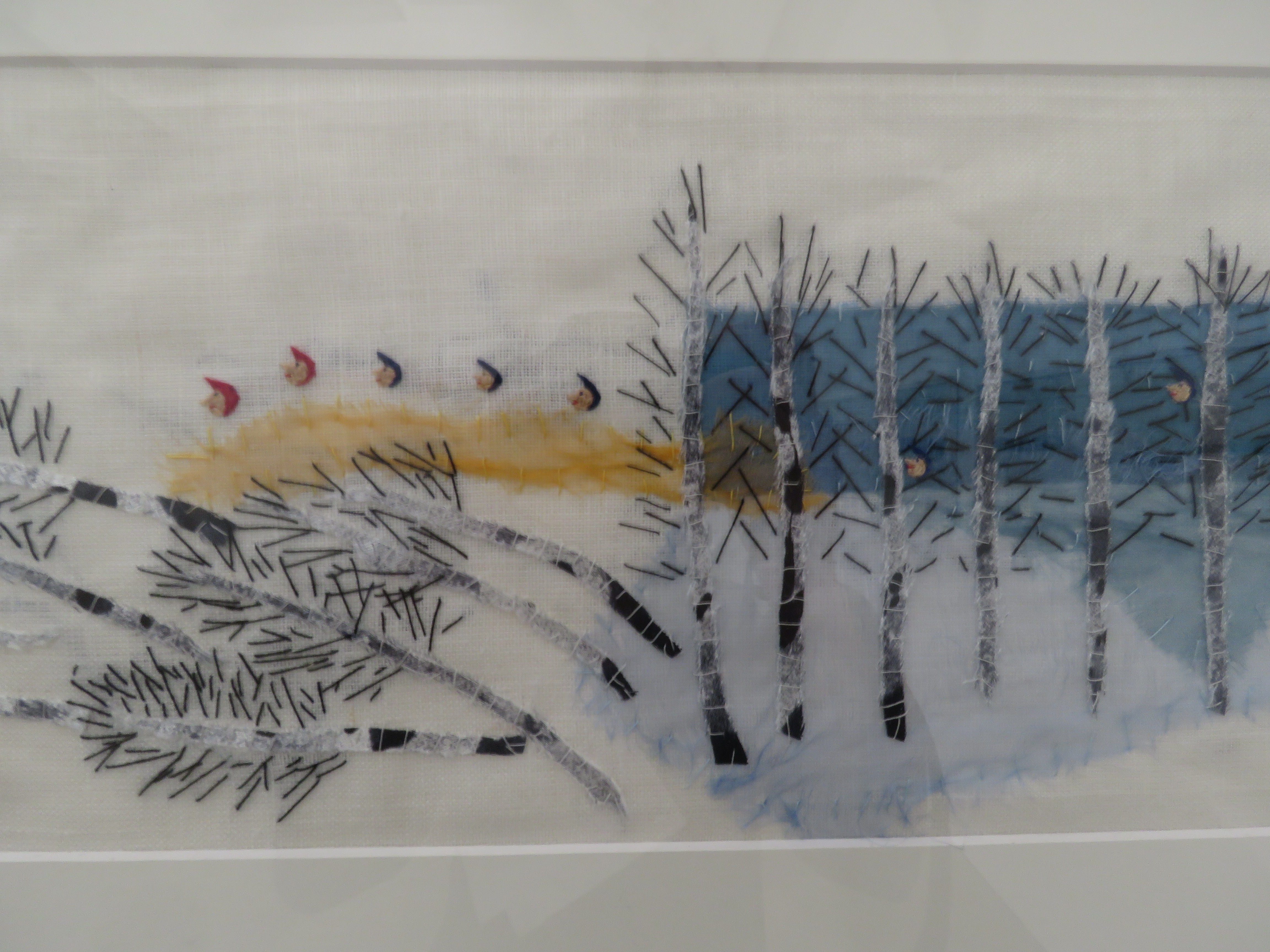
Marcia Bennett-Male is a skilled sculptor of stone but is perhaps as well known for her textile work and I was pleased to see some of her textiles included in the exhibition;

Just When I Thought I Was Queen, Marcia Bennett-Male
I also enrolled on the University of Cambridge Moonlight on Stonehenge course at Madingley with Dr David Jacques. He is the Project Director of Blick Mead Mesolithic archaeological site, one mile from Stonehenge and a really good lecturer, keen to listen to other views. There were some interesting discussions on recent DNA evidence showing an almost total genetic replacement of the population between the Mesolithic and Neolithic periods and again at the end of the Neolithic so that for the majority of the UK population we are not direct ancestors of the people who built Stonehenge but more closely linked to the steppe people from Russia and Ukraine.
https://www.bbc.co.uk/news/science-environment-43115485
https://www.nhm.ac.uk/discover/news/2018/february/the-beaker-people-a-new-population-for-ancient-britain.html
This was making me think about the ongoing conflict in
Ukraine and how war is just one of the driving forces behind population
migration. It is interesting that those famous migrants the swallows are common
in Ukrainian folklore, songs and poetry, and feature as symbols of family
unity. Their flight pattern was used to predict the coming of rain. This made
me re-visit the Blue and Yellow piece I did in April and I have given it a
quilted background using fabrics from different regions, motifs from Beaker pottery
and Folkton chalk drums and some swallows to bring together thoughts on
ancestry and migration. I've deliberately left the edges raw and stitches fractured as that seems sadly appropriate.

I keep some spare packaging material in the garage and pulled out some tissue paper to find the most exquisite work of art nestled amongst it.

Bobbin for June
This is an ebay purchase so I don’t know much about its history but it has what is presumably a Guatemalan worry doll inside the glass bobbin. Reputedly worry dolls, known in Spanish as muñeca quitapena or trouble dolls, are small, hand-made dolls. Guatemalan children tell their troubles to the dolls and place them under their pillow at night. By morning the dolls will have taken away their worries. The tradition is meant to originate with a Mayan princess named Ixmucane. The sun god gifted her the ability to solve any human problem. I have Regis Bertrand and Danielle Magne’s fascinating book The Textiles of Guatemala and sometime shall have a go at doing some embroideries inspired by the characterful animals and muñecas depicted in there.